


.svg)
.svg)
.svg)

Mining & Earthmoving Tires
Engineered for the toughest applications and working environments in this sector.
Read More
Engineered for the toughest applications and working environments in this sector.
Read More
Magna Tyres supplies radial and bias mining, earthmover and OTR tires for surface mines, quarries, construction projects and underground operations. Select your application or machine, then match the tire to the actual load, speed, cycle distance and surface conditions. The correct specification supports reliable performance, longer tyre life and controlled operating costs.
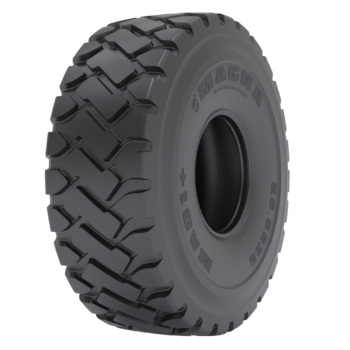

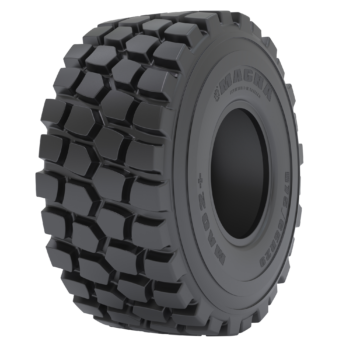


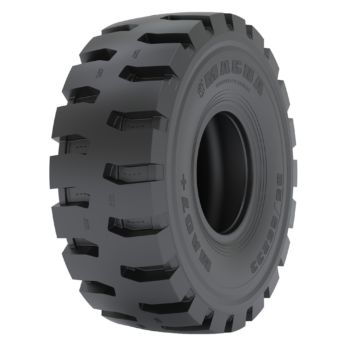


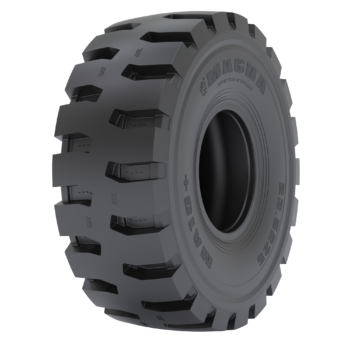


Mining and earthmoving operations place exceptional demands on tires. Heavy loads, abrasive rock, steep grades, loose ground, heat and long operating cycles can all affect traction, stability and service life. Magna Tyres supplies a broad range of mining and earthmoving tires developed to keep heavy equipment productive in these challenging conditions.
Our range includes radial and bias OTR tires for surface mines, underground mines, quarries, large construction projects and other demanding earthmoving applications. Options are available for loaders, haul trucks, graders, scrapers and other specialized machines, with tread patterns and constructions suited to different load, speed, distance and ground conditions.
The right tire is not simply the one that fits the rim. It must match the machine, the work it performs and the environment in which it operates. By considering the complete application, operators can improve traction and machine control, reduce avoidable damage and work toward a lower cost per operating hour.
No two sites create exactly the same tire demands. A rigid dump truck traveling repeatedly on a maintained haul road faces a different duty cycle from a wheel loader working at a quarry face. A grader needs dependable control while maintaining roads, while an articulated dump truck must remain productive on uneven or soft ground.
Surface conditions are a central part of tire selection. Sharp rock and abrasive material call for strong casings and cut-resistant compounds. Soft soil, mud or sand require a tread that can generate traction and limit wheel spin. Longer haul cycles and higher speeds increase heat generation, making the balance between tread depth, compound and operating conditions especially important.
The Magna Tyres mining and earthmoving range covers general-purpose and severe-duty applications. It includes E- and L-classified patterns for transport, loading and earthmoving work, as well as specialized solutions for winter, desert and underground conditions. This makes it possible to select an OTR tire around the actual job instead of relying on tire size alone.
For a closer look at how equipment type, surface, load, speed and tire construction interact, read our guide to choosing tires for earthmoving machines.
Each machine transfers forces to its tires in a different way. Selecting by machine is therefore a practical starting point, followed by a closer review of the site and duty cycle.
Starting with the machine narrows the available options, but final selection should always reflect the complete operating profile. A tire that performs well in one loader application may not be the best choice for the same machine working on a different surface or cycle.
Mining and earthmoving tires are available in radial and bias constructions. Neither construction is universally better; the right choice depends on the demands of the operation.
Radial tires generally offer good heat dissipation, ride comfort and a larger, more consistent footprint. These characteristics can be valuable in longer cycles, at higher operating speeds or where productivity and heat control are priorities. Bias tires have a construction that can provide strong sidewall support and resistance to impact in severe, lower-speed applications.
Tread classification and depth also matter. E-patterns are primarily associated with earthmover transport applications, while L-patterns are developed for loaders and dozers. Within those categories, the tread depth and design influence traction, wear, cut protection and heat generation. A deeper tread can offer more wearable rubber and protection, but it may also retain more heat. This is why an aggressive pattern should not be chosen without considering speed and cycle length.
Ground conditions complete the picture. Mud and loose material demand open tread patterns that provide grip and self-cleaning. Hard, abrasive surfaces place more emphasis on wear resistance. Sharp rock increases the risk of cuts and punctures, while smooth but long haul roads can create sustained heat build-up. The best specification balances these factors rather than maximizing one characteristic at the expense of the others.
Underground operations combine heavy loads with confined spaces, rough floors, limited ventilation and frequent maneuvering. Tires may encounter sharp debris, wall contact, high torque and repeated acceleration and braking. These conditions make casing strength, sidewall protection, traction and resistance to cuts particularly important.
Our dedicated range of underground mining tires includes solutions for underground dump trucks, underground loaders and specialist equipment. Available patterns are designed to support dependable grip and control while resisting the mechanical damage associated with severe underground work.
Smooth or deep-tread options may suit different underground applications. A smooth, highly cut-resistant tread can be appropriate on dry, abrasive rock where penetration resistance is the priority. A traction pattern is more suitable where loose or wet material makes grip essential. Machine type, maximum load, travel distance, speed and mine-floor conditions should all be reviewed before choosing between them.
Large surface-mining machines require tires capable of carrying exceptional loads over repeated production cycles. Our giant tires for mining equipment are developed for high-capacity rigid dump trucks operating in demanding mines and quarries.
With giant mining tires, correct fitment and application data are critical. Tire size, load and star rating must be compatible with the equipment, but the assessment should go further. Average payload, maximum speed, haul distance, gradients, road surface, ambient temperature and cycle time all influence tire performance. The operating profile also determines heat build-up, which can limit the safe combination of load and speed.
Choosing a tire with the right capacity and compound helps protect the casing and supports predictable performance. Continuous monitoring of pressure, temperature and tire condition is equally important once the tire is in service.
Even a well-selected mining tire can suffer premature wear or damage on a poorly maintained route. Potholes, sharp spillage, excessive gradients, tight corners, inadequate drainage and unstable road edges increase impact, sidewall and heat-related risks. They can also cause operators to brake, accelerate or steer more aggressively, adding stress to the tire.
Well-designed and consistently maintained haul roads support smoother cycles and more predictable tire performance. Useful measures include removing spilled rock, repairing potholes, maintaining drainage, managing road width and berms, and designing corners and gradients for the equipment in use. Graders play an important role in keeping the running surface even, but road quality should be treated as an ongoing operational responsibility.
Read more about how mining haul road conditions affect tire life and the practical risks that should be monitored across a site.
Tire performance depends on selection and on what happens after fitment. Correct inflation pressure is one of the most important control measures. Underinflation increases casing deflection and heat, while overinflation can reduce the contact area and make a tire more vulnerable to impact damage. Pressure targets should reflect the tire, load and application and be checked with reliable equipment.
Regular inspections can identify cuts, cracks, exposed cords, uneven wear, embedded material and other early warning signs. Operators should also report severe impacts, persistent wheel spin or changes in machine behavior. Tracking these observations alongside hours, distance, payload and pressure creates a stronger basis for maintenance decisions.
Operating practices matter as well. Overloading, excessive speed, harsh cornering and avoidable wheel spin can shorten service life. Site teams can reduce these risks through operator training, clear operating limits and consistent road maintenance. Where appropriate, a tire pressure and temperature monitoring system can provide additional visibility and help teams respond before a developing issue causes unplanned downtime.
Wheel loaders demonstrate why application-specific selection is so important. A loader working in sand needs flotation and traction, while a machine at a quarry face needs protection against sharp, abrasive rock. A load-and-carry operation may introduce more speed and heat than a short-cycle loading task. The same tire size can therefore require a different tread, compound or construction depending on how the machine is used.
Our application guide explains how to compare wheel loader tires for different operating conditions, including earthmoving, quarry, waste, underground and other demanding environments.
When assessing a loader application, record the material being handled, surface condition, cycle length, average and peak loads, travel speed, gradients and common damage patterns. This information makes it easier to select a tire that balances grip, stability, wear and heat resistance.
The lowest purchase price does not automatically produce the lowest operating cost. A mining or earthmoving tire that lasts longer, avoids unscheduled downtime or supports more productive cycles may create greater value over its full life.
A basic cost-per-hour calculation divides the tire’s purchase price by its recorded operating hours. A more complete lifecycle calculation can also include freight, fitment, inspections, maintenance, repairs, tire-related downtime and disposal, minus any remaining casing or resale value. Consistent records make comparisons between patterns, machines and sites more meaningful.
Use our practical guide to learn how to calculate mining and earthmoving tire cost per hour and identify which costs should be included.
Cost per hour should always be interpreted alongside operational results. Tire life achieved by reducing payload or machine utilization is not necessarily an improvement. The most useful comparison considers safety, uptime, productivity and total tire cost together.
Still have questions? Check the FAQs below or connect with one of our specialists.
What is the difference between mining tires and earthmoving tires?
Mining tires are designed for severe surface or underground operations involving heavy loads, abrasive rock and intensive duty cycles. Earthmoving tires cover a broader range of applications, including mining, quarrying and large construction projects. In both cases, the correct tire must match the machine, load, speed, surface and operating conditions.
How do I choose the right OTR tire for my machine?
Start with the approved tire size and load requirements of the machine. Then consider the equipment type, operating speed, haul distance, cycle time, gradients, ground conditions and common tire damage. These factors help determine the most suitable radial or bias construction, tread classification, tread depth and compound.
Are radial or bias tires better for mining operations?
Neither construction is always better. Radial tires generally provide good heat dissipation, ride comfort and footprint stability, making them suitable for longer cycles and higher speeds. Bias tires can offer strong sidewall support and impact resistance in severe, lower-speed applications. The best option depends on the complete operating profile.
How can mining operations extend tire life?
Maintain the correct inflation pressure, inspect tires regularly and avoid overloading, excessive speed, harsh cornering and unnecessary wheel spin. Well-maintained haul roads also reduce cuts, impacts and uneven wear. Recording operating hours, payloads, pressure, temperature and damage helps identify problems early and improve tire cost per hour.
We have detected that you speak English.
Would you like to switch to English?
Stay in US English Switch to English