


.svg)
.svg)
.svg)

Solid Tyres
These tyres are able to handle heavy loads, operate in rugged environments and withstand the unique challenges of all applications.
Read More
These tyres are able to handle heavy loads, operate in rugged environments and withstand the unique challenges of all applications.
Read More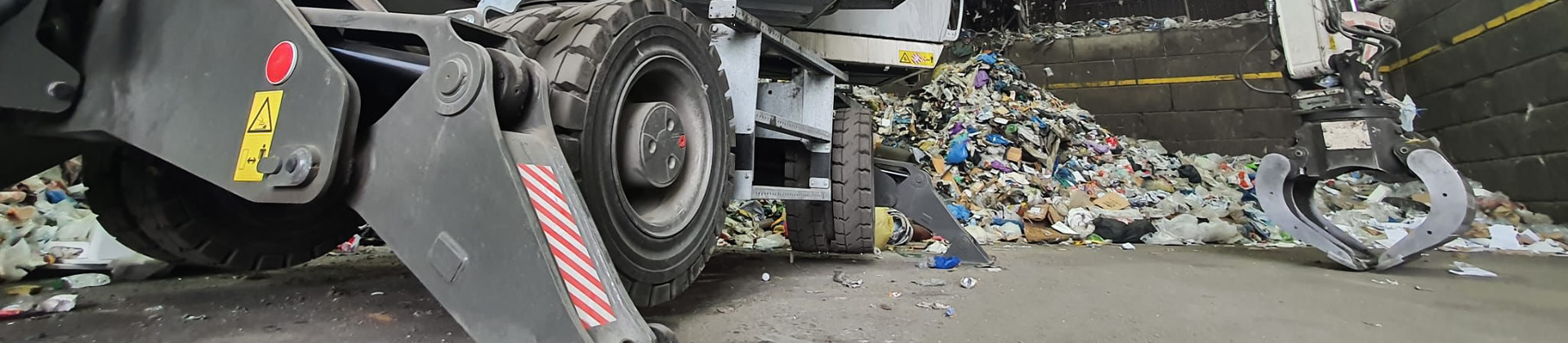

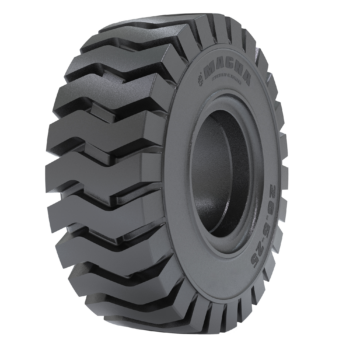
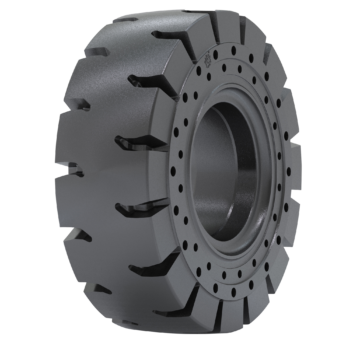
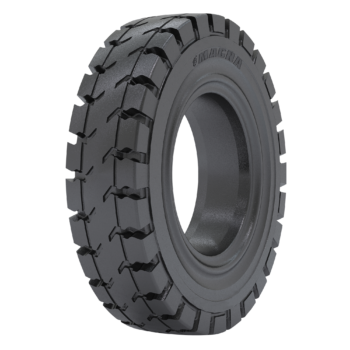


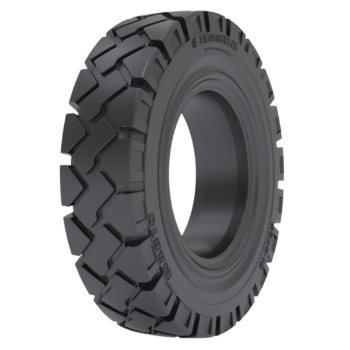
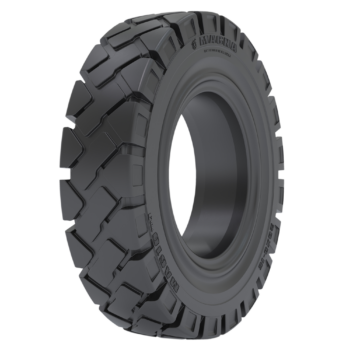
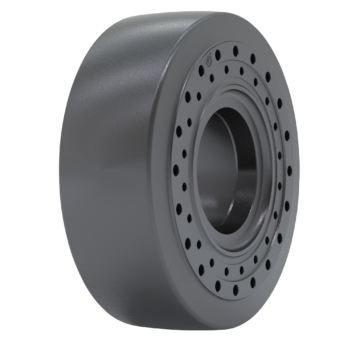
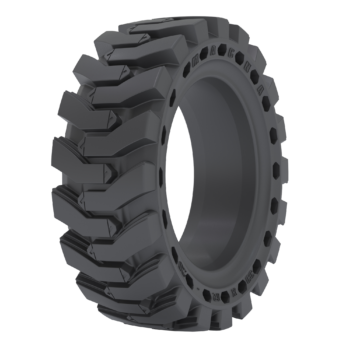

In waste management, recycling, material handling, and port terminals, tyre failure is not just an inconvenience. It is a direct hit to productivity, safety, and cost. Floors contaminated with liquids, scrap metal scattered across working surfaces, and machines running under continuous load: these are not edge cases. They are the daily reality. Magna Tyres engineers solid tyres for exactly these conditions: puncture-proof, pressure-free, and built to withstand the harshest industrial environments. Our solid tyre range keeps your machines running and your operation on schedule.
Solid tyres, also referred to as press-on tyres, are manufactured from solid rubber and require no air pressure. This makes them inherently puncture-proof and immune to running flat. Where pneumatic tyres carry the constant risk of deflation from sharp debris, liquids, or structural stress, solid tyres eliminate that risk entirely.
For operations where downtime directly impacts productivity and cost-per-hour, selecting the correct tyre configuration is critical. The operational differences between solid and pneumatic tyres can significantly affect uptime, maintenance requirements and overall Total Cost of Ownership.
Industrial working environments place extreme demands on tyres. Magna Tyres designs its solid tyre range to address the most critical risk factors:
Waste management and recycling operations present one of the most demanding environments for any tyre. Scrap metal, broken glass, sharp packaging materials, and contaminated surfaces create constant risk. Pneumatic tyres in these environments face near-constant puncture exposure. Magna solid tyres are specifically suited to these applications: the cut-resistant tread compound and reinforced sidewall handle the debris load that comes with waste processing environments, keeping machines running shift after shift.
→ Best Solid Tyres for Waste Management & Recycling Operations
Port and terminal environments operate around the clock under extreme load. Machines handle containers weighing tens of tonnes across surfaces contaminated with water, oil, and debris. Puncture risk is high, and any unplanned stop carries immediate financial consequences. Solid tyres remove that risk and deliver the load stability and tyre life these operations require, from RTG cranes and reach stackers to terminal tractors and trailers.
In warehouses, distribution centres, and logistics terminals, machines run intensive shift patterns across indoor and outdoor surfaces. Downtime from a flat tyre disrupts picking schedules, loading sequences, and delivery commitments. Solid tyres keep material flow continuous and predictable, from solid forklift tyres to material handlers and telescopic handlers. For a broader overview of tyre options across warehouse equipment, see our warehouse tyres range.
Construction sites combine rough terrain, heavy loads, and debris-covered surfaces. Machines operate far from any tyre service facility, making a puncture an expensive logistical problem. Solid tyres remove that risk and keep wheel loaders, compact wheel loaders and wheeled excavators productive across the full working day, including solid skid steer tyres engineered for the high lateral stress of constant pivoting.
Airport ground support operations run to strict schedules with zero tolerance for unplanned equipment failure. GSE machines operate across tarmac surfaces in all weather conditions, often in direct proximity to aircraft. Solid tyres eliminate the deflation risk that a pneumatic tyre carries, ensuring ground support equipment remains available for every turnaround.
→ View all Ground Support Equipment (GSE) tyres
Purchase price is one line on an invoice. Total Cost of Ownership is what determines whether a tyre is actually cost-effective.
Solid tyres carry a higher initial investment than pneumatic alternatives. But in industrial environments with high puncture risk, liquid exposure, or continuous-duty cycles, the calculation shifts decisively in favour of solid:
→ How Long Do Solid Tyres Last? Lifespan Analysis & Cost-Per-Hour
Selecting the right tyre involves more than matching a size. Load index, compound hardness, machine type, surface conditions, and operating cycle all influence the right choice. Making the wrong selection results in premature wear, reduced stability, or higher-than-necessary cost.
Our buyer’s guide walks you through every variable, so you select the right tyre for your specific operation, not just the nearest available size.
Still have questions? Check the FAQs below or connect with one of our specialists.
What advantages do solid tyres offer compared to pneumatic tyres in industrial applications?
Solid tyres are puncture-proof, maintenance-free and eliminate blowout risks. They handle significantly higher weight loads whilst providing exceptional stability. They excel in scrap yards, waste sites and glass works where sharp debris causes frequent pneumatic tyre failures and operational downtime.
Which solid tyre construction is best for mobile excavators on soft terrain?
Three-stage construction with premium rubber tread, cushion layer and steel cord-reinforced base provides optimal performance. This engineered solution enhances tread cleanout for superior traction on softer surfaces whilst the large contact area reduces stress and uneven wear during excavation operations.
How do solid tyres perform in waste and recycling operations with extreme debris?
Enhanced rubber compounds deliver greater resistance to cutting and chunking from sharp waste materials. High-tech casings reduce heat build-up whilst self-cleaning patterns ensure long tread life. These characteristics make solid tyres ideal for telescopic handlers and skid steers in waste environments.
What load capacity and comfort features do solid tyres provide for forklifts?
Solid tyres deliver high load capacity whilst providing strong absorption for increased driver comfort during extended shifts. Advanced tread compounds based on natural rubber offer exceptional cut and puncture protection. Reduced rolling resistance improves fuel efficiency without compromising structural strength.