


.svg)
.svg)
.svg)
-
E4

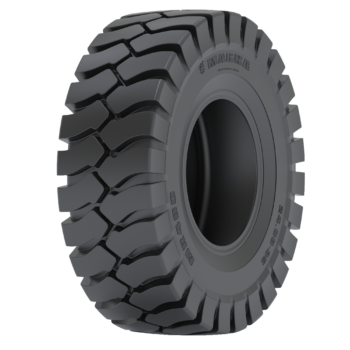
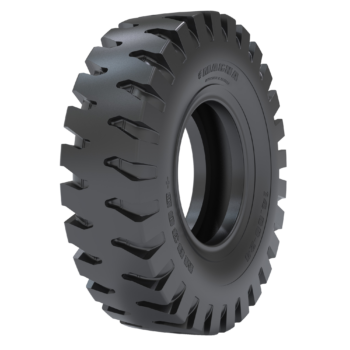
MR480
Delivers reliable uptime under constant heavy handling.- 24.00-35
-
IND-3
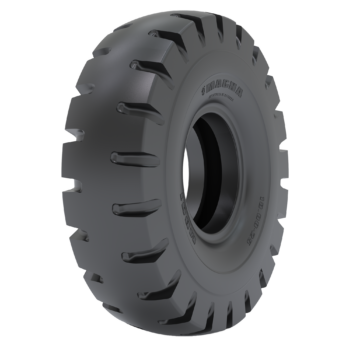
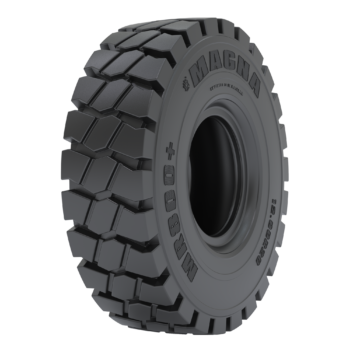
MB01
Stable performance under continuous heavy loading.- 16.00-25
- 21.00-25
- 18.00-33
- 21.00-35
-
IND-4
M-STACKER
Deep tread with reinforced casing provides stability and traction in ports.- 18.00-25
-
IND-4
M-STACKER+
Extra-deep tread and improved compound provide load capacity and longevity in ports- 18.00-25
-
IND-4
MB02
Deep tread and strong carcass provide traction and stability in ports.- 11.00-20
- 12.00-24
- 14.00-24
- 18.00-25
- 18.00-33
-
IND-3
MB300
Extra-deep tread provides traction and comfort for terminals and ports.- 15.5-25
- 16.00-25
-
IND-3
MB300+
Reinforced carcass provides high load capacity and comfort for port vehicles.- 14.00-24 TT
- 14.00-24 TL
-
IND-4
MR800+
Extra-deep tread provides traction and stability in industry and ports.- 9.00R20
- 10.00R20
- 12.00R20
- 12.00R24
- 14.00R24
- 16.00R25
Role of Boat Lift in the industry
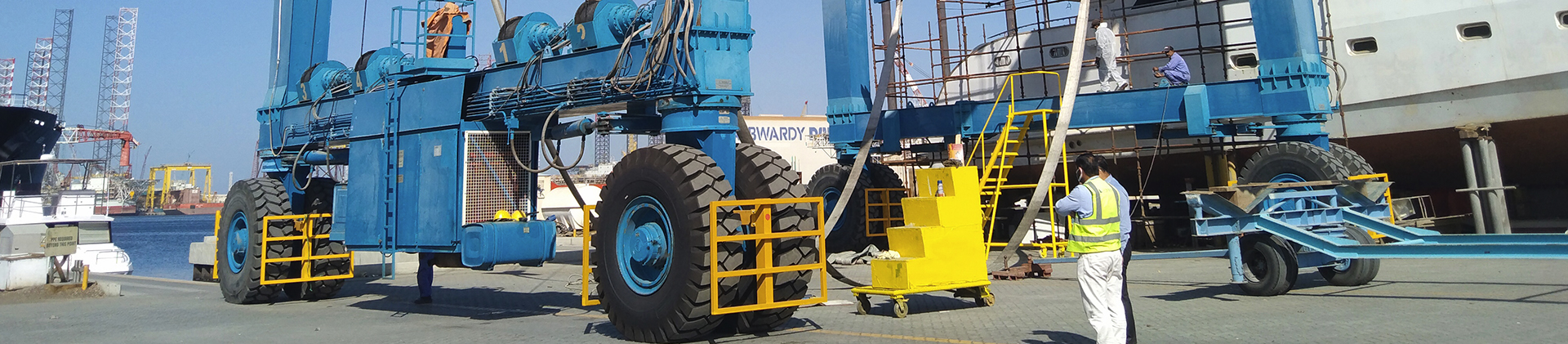
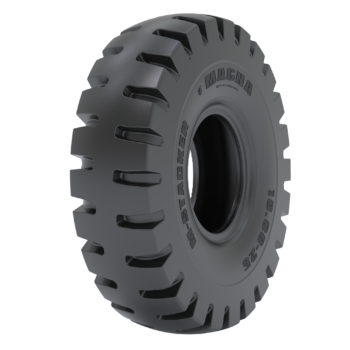
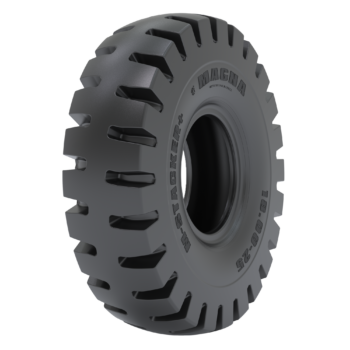
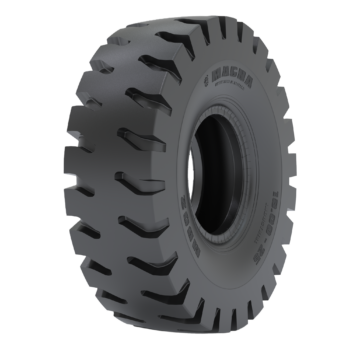
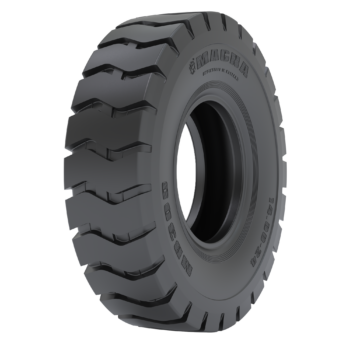
The boat lift, often referred to as a travel lift or a marine travel lift, is engineered to elevate and transport vessels from water to land for maintenance, storage or repair, and to reposition them safely in marinas, boatyards or shipyards. These machines must support the combined weight of the frame, lifting gantries and the boat itself, so the selection of high-capacity tyres such as the MR480 and MB01 is critical to ensure load distribution, structural stability and operational mobility.
Types of Tyres Used in these Machines
In applications for Boat Hoist Tyres utilised on large mobile lifting platforms and Lifting tyres for gantry-style shore machines, both radial and bias tyre constructions are found; these tyres must respond to the demands of low-speed travel, heavy static loads and frequent directional shifts. The machine may drive on firm pavement, timber cradles or saltspray exposed terrain, so the proper tyres must deliver resilience, sidewall rigidity and tread patterns suited to a varied substrate and cyclic movement on Travel lift boats or RTG travelift units.
Tyre Requirements for Reliable Performance
Tyres designated for boat lifts must provide exceptional load-carrying capacity and structural firmness to resist deformation under sustained weight and dynamic shifts. They require a robust casing that limits heat build-up during operation, excellent sidewall strength to accommodate lateral forces when the machine turns or aligns, and a tread compound offering wear and cut resistance in marine and abrasive settings. Stability under crane-style load transfer, uniform traction on slip-prone surfaces and minimal deflection under heavy mass are all technical imperatives for ensuring uninterrupted machine performance.
Questions? We're Always Ready.
Still have questions? Check the FAQs below or connect with one of our specialists.
Which tyre sizes are typically used on boat lifts handling heavy vessels in confined marina environments?
Boat lifts commonly rely on wide-profile sizes such as 16.00-25 or 18.00-25, providing high load capacity, stable lifting support and controlled manoeuvring when transporting vessels within narrow dock areas.
How do ground conditions in marinas influence tyre selection for a boat lift?
Marina surfaces vary from smooth concrete to wet slipways, so tyres need strong traction, dependable sidewall stability and compounds that maintain grip under moisture and low-speed directional adjustments.
Why is choosing the correct tyre size essential for safe lifting performance on a boat lift?
Accurate sizing ensures proper rim fit, adequate load support for vessel weight, even pressure distribution and predictable handling when raising, lowering or shifting vessels across limited-space environments.
Which tyre characteristics help maintain uptime for boat lifts operating in continuous marina service?
Got other questions?
Contact