


.svg)
.svg)
.svg)


-
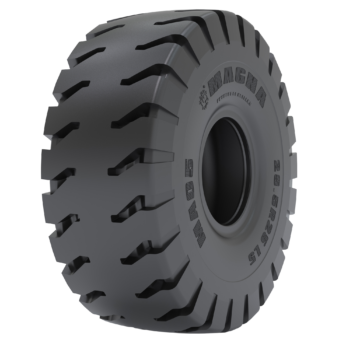
L5

MA05
Reinforced L5 tread delivers grip, reliability and protection in mining- 17.5R25
- 26.5R25
- 29.5R25
-
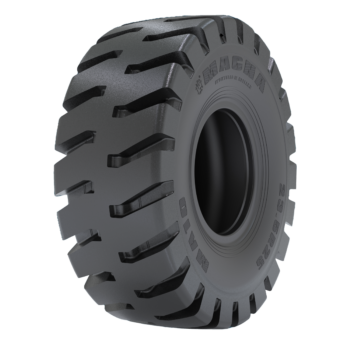
L5
MA08
Extra-deep L4/L5 tread provides grip, wear resistance and protection in mining.- 17.5R25
- 20.5R25
- 23.5R25
- 26.5R25
- 29.5R25
- 29.5R29
- 35/65R33
-
L5
MA10
Deep L5 tread delivers excellent traction and protection in mining applications.- 20.5R25
- 23.5R25
-
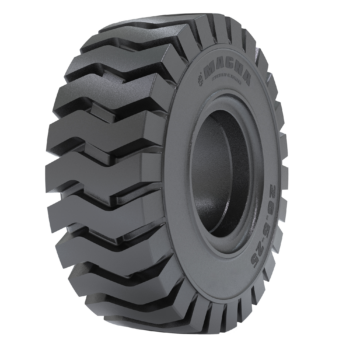
Solid
MA600
Solid tyre provides stability and resistance in heavy industrial applications.- 16.00-25
- 18.00-25
- 23.5-25
-
Solid
MA601
Solid tyre with deep tread provides stability in heavy industrial applications.- 17.5-25
- 20.5-25
- 23.5-25
- 26.5-25
- 29.5-25
- 35/65-33
-
Solid
MA608
Solid tyre with massive tread provides traction and stability in industry- 10.00-20 (7.00)
- 10.00-20 (7.50)
- 12.00-20 (8.00)
- 12.00-20 (8.50)
- 12.00-24
- 14.00-24
- 14.00-25
-
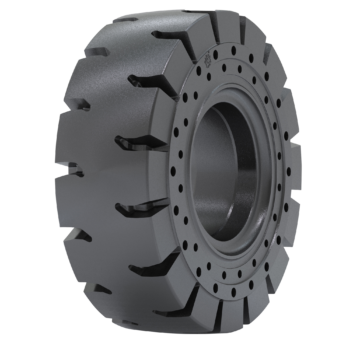
Solid
MA608 TWIN WHEEL
The solid twin-wheel tyre provides traction, safety, and stability in industrial applications.- 10.00-20
- 12.00-20
- 12.00-24
- 14.00-24
- 14.00-25
-
Solid
MA902
Smooth solid tread provides stability and reliability in heavy industrial environments.- 20.5-25
- 23.5-25
- 26.5-25
- 17.5-25
-
Solid
MA801
Solid tyre provides traction and safety in waste and recycling applications.- 30X10-16
- 33X12-16
- 33X12-20
- 36.5X14-20

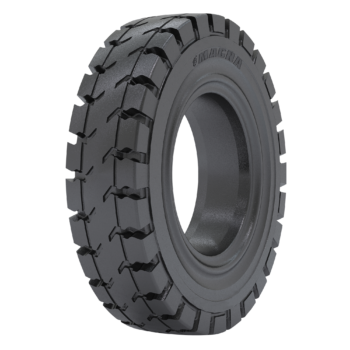

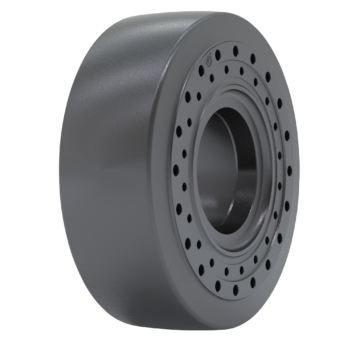
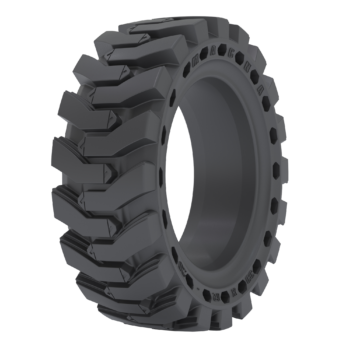
Waste and recycling tyres for demanding operations.
Sharp scrap, broken glass and abrasive surfaces put waste handling equipment under constant pressure. A damaged tyre can interrupt sorting, delay loading and leave other machines waiting. Choosing waste and recycling tyres that match the machine and its working conditions helps protect uptime and control operating costs.
Magna Tyres supports recycling facilities, scrap yards and waste transfer stations with solid tyres and pneumatic options for demanding applications. Whether your wheel loader handles mixed waste or your material handler feeds a sorting line, tyre selection starts with the load, surface and duty cycle. Our specialists help you assess these requirements and identify a suitable specification.
Solid tyres or L5 pneumatic tyres for recycling.
L5 and solid describe different characteristics. L5 is a Tyre and Rim Association classification for extra-deep tread in loader and dozer service. Solid describes a tyre construction that does not rely on inflation pressure. For recycling wheel loaders, the practical comparison is between an air-filled L5 tyre and a suitable solid rubber tyre.
Both can have a place within the same facility. A machine working close to sharp scrap faces different demands from a loader moving sorted material across uneven ground. Select the construction around the actual work rather than applying one specification across the entire fleet.
Solid tyres for areas with a high puncture risk.
Solid tyres remove the risk of a flat caused by loss of inflation pressure. This makes them worth considering where glass, wire and metal fragments cause repeated pneumatic punctures. Solid loader tyres can help reduce puncture-related call-outs and interruptions during loading and sorting.
However, puncture resistance does not mean immunity to damage. Solid tyres still require inspections for cuts, chunking, wear and wheel condition. Their suitability also depends on operating speed, travel distance, heat generation and the machine manufacturer’s requirements. Ride comfort and vibration should form part of the assessment.
For a closer look at machine selection and operating conditions, read our guide to solid tyres for waste management and recycling operations.
L5 tyres for demanding wheel loader applications.
L5 pneumatic tyres combine an air-filled construction with extra-deep tread. The additional tread material provides a wear reserve and can help protect the casing in demanding conditions. Pneumatic construction also provides cushioning, which matters when loaders work across uneven surfaces.
An L5 tyre can suit recycling work where the operation needs this combination and can manage puncture exposure. It remains vulnerable to air loss and requires correct inflation pressure, regular inspections and load management. Extra-deep tread also makes assessment of heat build-up, travel distance and speed important. L5 is not a guarantee that a tyre suits every recycling duty cycle.
| Consideration | Solid Tyres | L5 Pneumatic Tyres |
|---|---|---|
| Construction | Solid rubber construction without inflation pressure. | Air-filled construction with extra-deep loader tread. |
| Sharp debris | No puncture-related deflation, but cuts and chunking remain possible. | Deep tread offers protection, but penetrating damage can cause deflation. |
| Ride and operating cycle | Assess vibration, heat and permitted travel conditions. | Air cushioning supports ride comfort; assess load, pressure and heat limits. |
| Maintenance | Inspect tread, damage, wheels and fitment. | Inspect the same areas and maintain specified inflation pressure. |
Explore the wider construction differences in our solid tyres vs pneumatic tyres comparison.
Magna Tyres options for recycling equipment.
The Magna MA601 is a solid option for demanding scrap, glass and waste handling environments. Its compound supports resistance to cutting and puncture damage, while its wide profile and deep tread blocks support traction and stability. Confirm the correct size and fitment for your wheel loader or material handler.
For pneumatic wheel loader requirements, the Magna MA10 combines an extra-deep L5 tread with a wide footprint and centre rib. Magna Tyres has documented its use on wheel loaders at a recycling and waste handling company in Portugal. The Magna MA05 also has a documented recycling application in Poland. These examples demonstrate application experience; they do not guarantee the same service life at another site.
Other equipment needs its own specification. The Magna MA608 TWIN WHEEL provides a solid option for compatible wheeled excavators and material handlers. The Magna MA801 covers selected compact loader, skid steer and telehandler applications. Check each product’s technical data rather than choosing by machine category alone.
Choose the specification around your site.
Before selecting tyres for waste handling equipment, provide the following information:
- Machine and fitment: make, model, current tyre size, rim specification and any restrictions on changing construction.
- Load: operating weight, axle loads and the heaviest material handled.
- Surface: concrete, loose aggregate, uneven ground and exposure to sharp debris.
- Duty cycle: travel distances, operating speed, turning frequency, shift length and cooling periods.
- Current performance: operating hours, puncture frequency, wear patterns and reasons for replacement.
A matching size marking alone does not establish interchangeability between a pneumatic tyre and a solid assembly. Confirm rim compatibility, clearance and machine approval before changing construction.
Assess cost per operating hour.
The purchase price is only one part of total cost of ownership. Compare tyre cost, fitting, repairs and downtime against the productive hours achieved. A solid tyre may justify a higher purchase price when repeated punctures interrupt production. An L5 pneumatic tyre may offer a better balance where cushioning matters and the site can manage puncture risk.
Record results by machine and application. Comparing similar workloads helps reveal whether a change actually improves tyre life, availability and maintenance cost. Avoid using a service-life figure from another facility as your purchasing benchmark.
Questions? We're Always Ready.
Still have questions? Check the FAQs below or connect with one of our specialists.
Should I choose solid or pneumatic tyres for recycling equipment?
Choose around the machine and its operating conditions. Solid tyres eliminate puncture-related deflation, making them a practical option where sharp scrap, glass and metal cause repeated flat tyres. Pneumatic tyres provide air cushioning, which can benefit machines working on uneven surfaces. Assess puncture exposure, load, speed, travel distance and machine compatibility before selecting either construction.
What is the difference between L5 tyres and solid tyres?
L5 describes an extra-deep tread classification for loader and dozer service. Solid describes a tyre construction that does not use inflation pressure. An L5 pneumatic tyre combines deep tread with air cushioning, but penetrating damage can still cause air loss. A solid tyre cannot deflate, although cuts, chunking and wear can still affect its condition.
Are L5 pneumatic tyres suitable for waste and recycling operations?
Yes, suitable L5 pneumatic tyres can support demanding wheel loader applications in recycling facilities. Magna Tyres has documented recycling applications for the Magna MA05 and Magna MA10. Their extra-deep tread provides a wear reserve, but the correct specification depends on the individual operation. Check load, inflation pressure, puncture risk and heat build-up, particularly when the machine travels frequently or over longer distances.
Do solid tyres need maintenance?
Solid tyres do not need inflation checks or repairs for air leaks, but they still need regular inspection. Check for cuts, chunking, uneven wear and damage to the wheel or tyre assembly. Follow the specified load, speed and replacement limits. Removing the risk of a flat tyre does not remove the need to manage heat, wear and operating conditions.
Got other questions?
Contact