


.svg)
.svg)
.svg)

Complete Wheel Assemblies
Tyres designed for heavy equipment
OTR tyres in complete wheel assemblies must match the exact load ratings, tread patterns and compound specifications required for each machine model. A core principle behind our OEM Department.
Mining operations demand cut-resistant compounds for haul roads with sharp rock fragments. Earthmoving applications require self-cleaning tread designs that maintain traction in soft or muddy ground conditions.
- Load index verification ensures each tyre carries the rated payload without premature wear
- Tread depth optimisation balances traction requirements against total cost of ownership
- Sidewall protection features reduce damage risk during transport and first deployment
Rims engineered for machine compatibility
Rim specifications must align precisely with machine mounting systems and axle configurations. Bolt patterns, offset dimensions and hub interfaces vary across equipment manufacturers and model generations. These engineering requirements are addressed through specialised OEM Tyre & Wheel Engineering, where rim profiles are matched to specific machine types: articulated dump trucks require different rim strengths than wheel loaders of equivalent capacity. Rim material selection balances weight against structural requirements, with steel rims preferred for severe-duty applications and lighter alloys considered where weight reduction improves fuel economy. Valve stem positioning and TPMS compatibility become critical factors when assemblies integrate pressure monitoring systems.
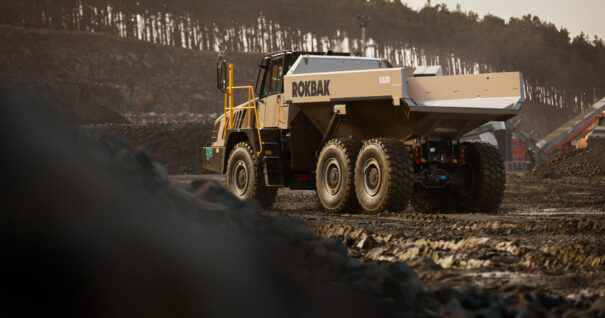
Fully assembled wheels ready for installation
Pre-assembly occurs in controlled environments where technicians follow torque specifications and seating procedures consistently. Each assembly undergoes pressure testing to verify bead seating and detect potential leaks before dispatch. This controlled process reduces installation errors common in field mounting, particularly when multiple machines require wheel changes simultaneously during production runs.
Quality checks include balance verification to prevent vibration issues that accelerate bearing wear. Equipment manufacturers eliminate the need for on-site balancing equipment and trained mounting personnel. This becomes particularly valuable when deploying equipment to remote mine sites where specialist mounting facilities may not exist.
Reducing installation time for equipment manufacturers
Production line efficiency improves when assembly workers install complete wheels rather than mounting tyres to rims. A typical wheel change drops from 45 minutes per corner to under 15 minutes when using pre-assembled units. This time saving compounds across production volumes, manufacturers building 200 units annually save approximately 400 labour hours per year on wheel installation alone.
- Reduced tooling requirements on production lines eliminate tyre mounting equipment costs
- Lower skill requirements for installation reduce training overhead and labour costs
- Fewer handling steps decrease the risk of component damage during assembly
One supplier for tyres, rims and assemblies
Single-source procurement simplifies quality accountability and reduces administrative burden. When tyre and rim arrive from separate suppliers, determining responsibility for mounting issues or early failures becomes complex. Complete wheel packages carry unified warranty terms covering all components. This eliminates disputes over whether premature wear stems from tyre defects, improper mounting or rim incompatibility.
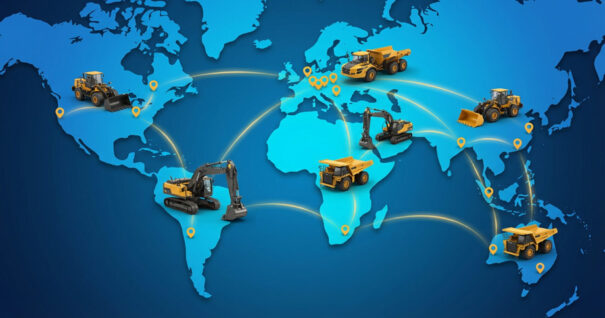
Just-in-time delivery becomes more reliable with consolidated shipments. Equipment manufacturers coordinate one delivery schedule instead of synchronising multiple suppliers. Buffer stock requirements drop because wheel assemblies represent finished goods rather than components awaiting assembly. For global OEM operations, working with suppliers active in 130+ countries ensures consistent wheel specifications across production facilities in different regions.
Relation to other factors
Complete wheel solutions interact closely with several aspects of OEM tyre solutions. Supply chain flexibility determines how effectively manufacturers can adopt pre-assembled wheels, JIT capability and global logistics networks become prerequisites. Technical support requirements shift from mounting guidance to specification matching and performance monitoring. Private labelling options allow equipment manufacturers to maintain brand consistency even when outsourcing wheel assembly. The success of complete wheel programmes ultimately depends on supplier responsiveness to custom requirements and the ability to scale production alongside equipment manufacturing volumes.
Magna Tyres complete wheel assemblies
Magna Tyres provides OEM wheel assemblies across mining and earthmoving applications, with tyre selections from the Mining & Earthmoving range. Complete wheel packages integrate rigid dump truck tyres, wheel loader tyres and articulated dump truck tyres with manufacturer-specified rims. Each assembly follows verified mounting procedures with torque specifications documented for traceability.
- Pre-delivery inspection includes pressure testing and balance verification to factory tolerances
- Global logistics network supports delivery to production facilities across multiple continents
- Custom specifications accommodate private label requirements and unique machine configurations
The approach aligns with Magna’s flexible delivery model, where quick decision-making enables rapid response to production schedule changes. Explore the full range at Magna Tyres products.
Key advantages of OEM wheel assemblies
- Production efficiency increases through faster installation and reduced handling complexity
- Quality consistency improves with controlled assembly environments and systematic testing protocols
- Total cost of ownership decreases via lower labour requirements and reduced component waste
- Supply chain simplification results from single-source accountability and consolidated deliveries
- Global deployment becomes more practical with consistent specifications across manufacturing regions