


.svg)
.svg)
.svg)


-
IND

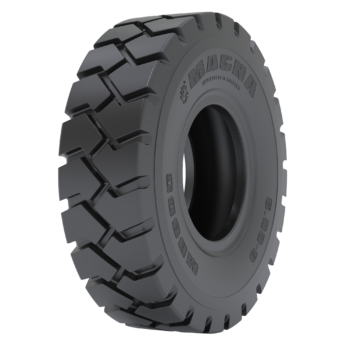
MB800
Pneumatic tyre with special compound provides comfort, efficiency and resistance in industry.- 5.00-8
- 6.00-9
- 6.50-10
- 7.00-12
- 8.25-15
- 28X9-15
- 250-15
- 300-15
- 10.00-20
- 12.00-20 (20)
- 12.00-20 (24)
- 355/65-15
-
IND-3
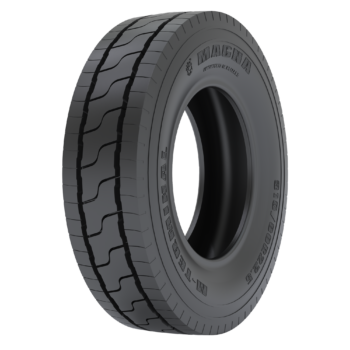
M-TERMINAL
Solid rib design ensures stability, traction and longer lifetime in terminals.- 280/75R22.5
- 310/80R22.5
-
IND-3

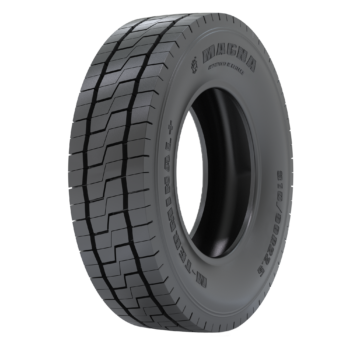
M-TERMINAL+
Reinforced casing with deep tread provides safety, grip and reliability in terminals.- 310/80R22.5
-
Solid
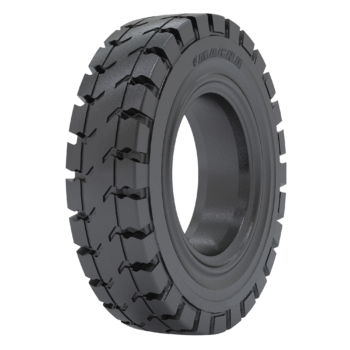
MA608
Solid tyre with massive tread provides traction and stability in industry- 10.00-20 (7.00)
- 10.00-20 (7.50)
- 12.00-20 (8.00)
- 12.00-20 (8.50)
- 12.00-24
- 14.00-24
- 14.00-25
-
Solid
MA608S
Solid slick tyre provides stability and efficiency in ports and airports.- 10.00-20
- 11.00-20
-
Steer/Trailer
RG10
Precise steering control in wet regional service.- 295/80R22.5
- 315/70R22.5
- 315/80R22.5
-
All Position
RG11
All-position tyre for regional transport provides high mileage, safety and grip- 295/60R22.5
- 315/60R22.5
-
Drive
RG20
Regional drive axle tyre provides high mileage, grip and winter performance- 295/80R22.5
- 315/70R22.5
- 315/80R22.5
-
Drive
MHDL
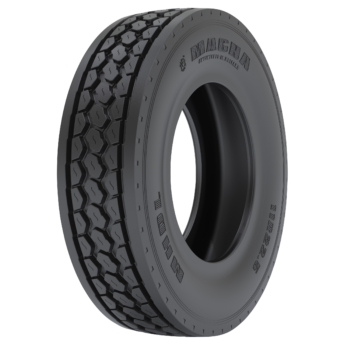
Drive axle tyre with deep tread provides grip and efficiency in long-haul transport.- 11R22.5
- 295/75R22.5
- 285/75R24.5
- 11R24.5
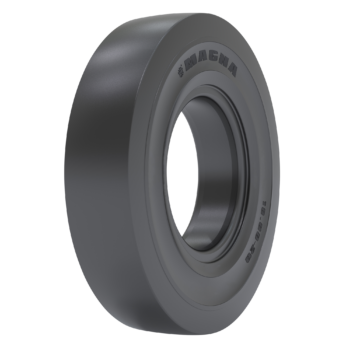
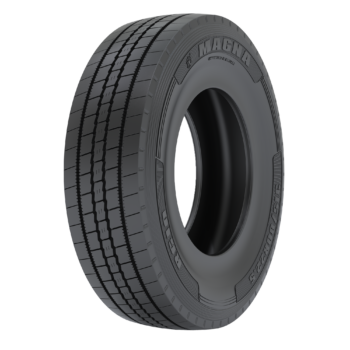
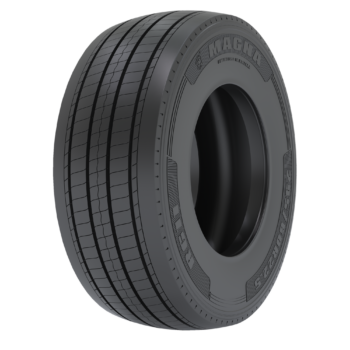
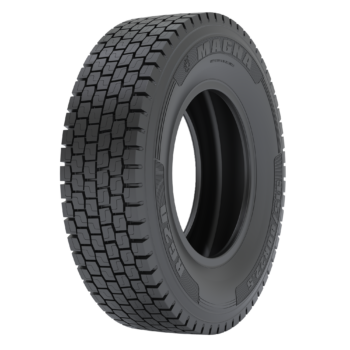
Role of Terminal Trailer in the industry
A terminal trailer is a heavy-duty transport platform used in the Terminal sector for moving containers, breakbulk and palletised cargo within controlled yard environments. It is designed for short-distance transfers, fast loading cycles and efficient manoeuvring behind terminal tractors or yard trucks. Because these trailers operate under high static loads and continuous shunting, tyres such as the RG20 in size 280/75R22.5 provide the load stability, rolling durability and structural reliability required for safe and consistent terminal operations.
Tyre Types Required for Terminal Trailer Operations
Trailers fitted with terminal trailer tyres require reinforced constructions that support slow-speed yard handling, sharp turning angles and abrasive surface contact typical of Flatbed and container-transfer tasks in the Terminal sector. These tyres must maintain predictable ground contact under uneven or heavy cargo, ensuring stability during rapid repositioning, coupling movements and intensive shunting cycles in busy terminal environments.
Tyre Requirements for Reliable Performance
Tyres for terminal trailers must offer high load-carrying capability, resist lateral scrub forces from tight manoeuvres and maintain a uniform footprint on concrete or block-paved surfaces. They require strong sidewall rigidity to handle shifting cargo weights, heat-resistant compounds for continuous stop-start operation and a casing that preserves structural integrity during repetitive yard cycles. Consistent traction, controlled deformation and even wear characteristics are essential to support safe and uninterrupted terminal transport performance.
Questions? We're Always Ready.
Still have questions? Check the FAQs below or connect with one of our specialists.
What defines a terminal trailer in port and industrial yard operations?
A terminal trailer is a heavy-duty platform trailer used to move containers or bulk loads within closed terminal areas. Its tyres must carry high static loads and remain stable during low-speed shunting.
How do terminal ground conditions influence tyre requirements for a terminal trailer?
Terminal trailers run on concrete, asphalt and block-paved surfaces, demanding tyres with strong tread durability, low rolling resistance and consistent load distribution to handle frequent cornering and weight shifts.
Which tyre sizes are commonly suitable for terminal trailers in intensive yard work?
Typical options include 215/75R17.5, 245/70R17.5 and 285/70R19.5, offering the load capacity, robustness and stability needed for repeated container transfers and tight manoeuvring.
Which tyre characteristics help maximise uptime for terminal trailers in continuous operations?
Got other questions?
Contact