


.svg)
.svg)
.svg)


-
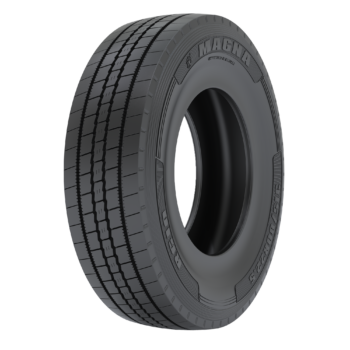
Steer/Trailer

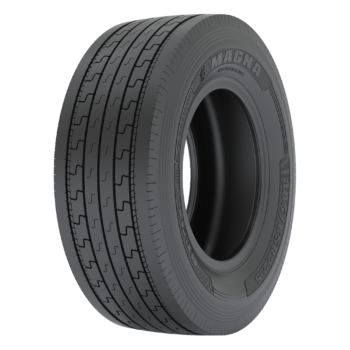
RG10
Precise steering control in wet regional service.- 295/80R22.5
- 315/70R22.5
- 315/80R22.5
-
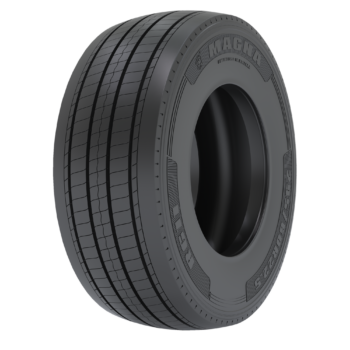
All Position
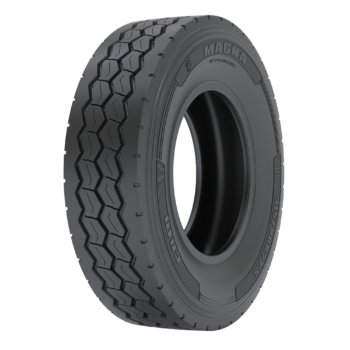
RG11
All-position tyre for regional transport provides high mileage, safety and grip- 295/60R22.5
- 315/60R22.5
-
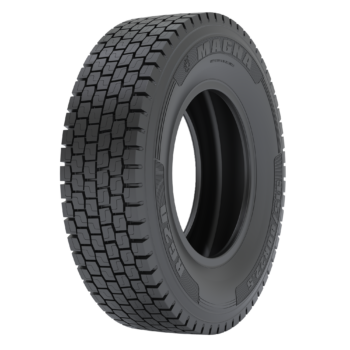
Drive
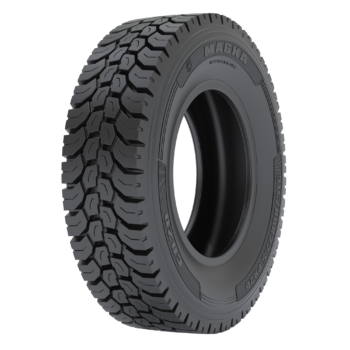
RG20
Regional drive axle tyre provides high mileage, grip and winter performance- 295/80R22.5
- 315/70R22.5
- 315/80R22.5
-
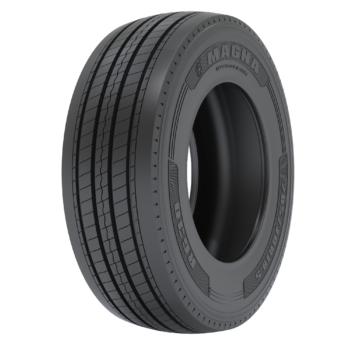
Trailer
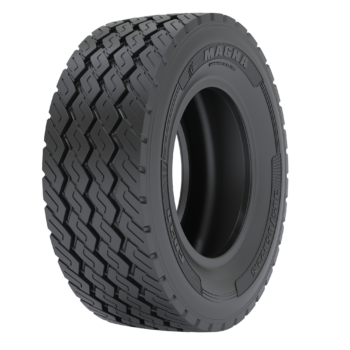
RG30
High mileage efficiency in regional trailer operations.- 215/75R17.5
- 245/70R17.5
- 285/70R19.5
-
Steer/Trailer
RG31
Confident steering stability across changing road conditions.- 385/65R22.5
-
All Position
CO10
High cut resistance in mixed on/off-road service.- 13R22.5
- 315/80R22.5
-
Drive
CO20
Powerful drive traction on demanding mixed terrain.- 13R22.5
- 315/80R22.5
-
All Position
CO30
Stable handling under varying regional road loads.- 385/65R22.5
- 425/65R22.5
-
Drive
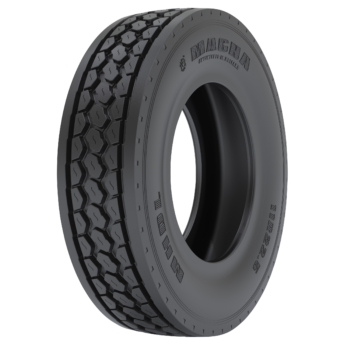
MHDL
Drive axle tyre with deep tread provides grip and efficiency in long-haul transport.- 11R22.5
- 295/75R22.5
- 285/75R24.5
- 11R24.5
-
All Position
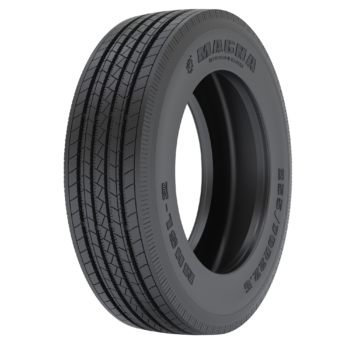
MHSL-2
Low rolling resistance for sustained high-speed efficiency.- 255/70R22.5
- 275/70R22.5
- 295/80R22.5
- 385/65R22.5
-
All Position
MSC
Stable mileage performance in construction trailer service.- 11R22.5
- 12R22.5
- 12.00R20
- 12.00R24
- 13R22.5
- 315/80R22.5
-
Steer/All Position
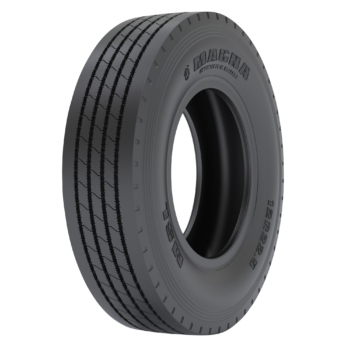
MSL
Consistent traction in long-haul steer operations.- 12R22.5
-
Steer
MSR-2
Steer axle tyre with ribbed tread provides longevity and grip in regional traffic- 12R22.5
-
Steer
MHSR
Reliable drive traction for long-haul efficiency.- 315/80R22.5
-
All Position
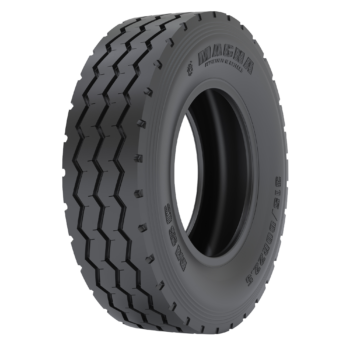
MSS
All-position tyre with rugged tread provides traction in sand and mud.- 14.00R20
- 16.00R20
-
Drive
MHDR-2
Durable drive traction under heavy long-haul loads.- 11R22.5
- 295/80R22.5
- 315/80R22.5
-
Drive/All Position
MSO
Drive/all-position tyre provides traction and comfort in mixed on/off-road use.- 11R22.5
- 13R22.5
- 315/80R22.5
-
All Position
MSO-2
Even wear control in mixed on/off-road haulage.- 11R22.5
- 13R22.5
-
Drive/All Position
MSO-4
Robust traction stability in demanding mixed-service haulage.- 315/80R22.5
-
Trailer
MTC
Long service life in intensive urban cycles.- 385/65R22.5
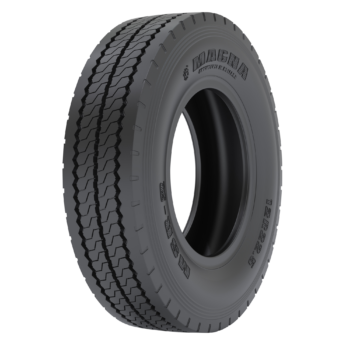
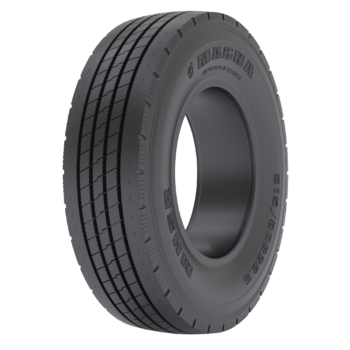
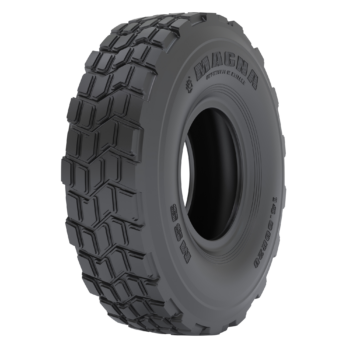
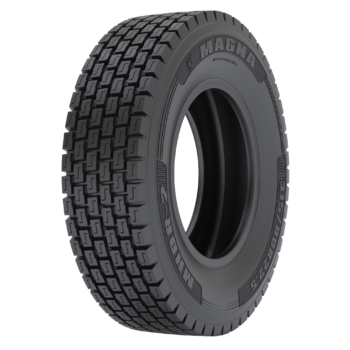
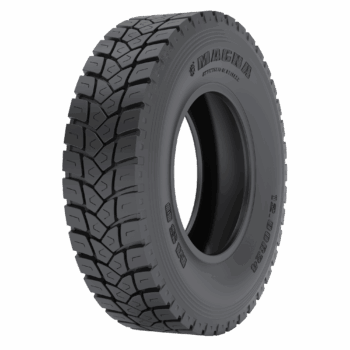
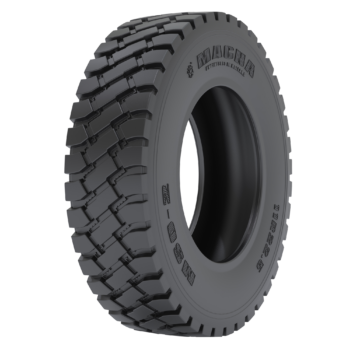
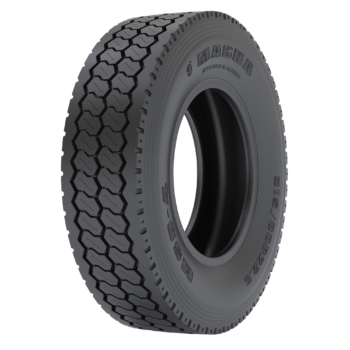
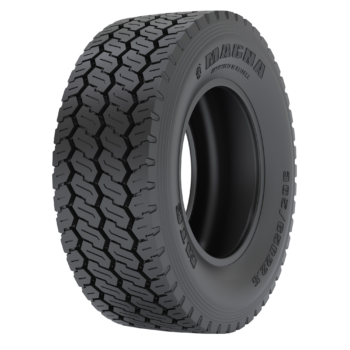
Role of Semi Truck in the industry
A semi truck is a heavy-duty transport vehicle designed to haul freight over regional and long-distance routes, forming the primary backbone of logistics networks for trucks, distribution centres and industrial supply chains. Its tractor unit provides power and steering, while the connected trailer carries high-volume or high-weight cargo across varied road conditions. Because these vehicles operate with significant axle loads and continuous highway use, tyres such as the RG10, RG11 and RG20 provide the required load-carrying capacity, stability and endurance essential for reliable, long-haul transport.
Types of Tyres Used in these Semi-Trailers
Machines operating on Semi-trailer truck tyres require tyres engineered for steer, drive and trailer positions, each with different demands for traction, wear resistance and fuel efficiency. Multi-axle configurations place additional load and scrub forces on tyres, making construction and compound selection critical. In fleets using semi trailer tyres, designs must support sustained high-speed travel, frequent braking cycles and tight yard manoeuvres to ensure predictable handling and consistent tread life across diverse transport operations.
Tyre Requirements for Reliable Performance
Tyres fitted to semi trucks must deliver high structural integrity to handle heavy vertical loads, resist heat build-up from continuous highway speeds and maintain even tread wear across multiple axles. They require compounds that balance rolling resistance with durability, reinforced sidewalls to withstand lateral forces during cornering and yard movements, and a footprint that ensures stable braking and traction on wet or dry surfaces. Uniform pressure distribution, strong bead seating and predictable steering response are essential to ensure safe and efficient operation throughout long-haul and regional transport cycles.
Questions? We're Always Ready.
Still have questions? Check the FAQs below or connect with one of our specialists.
What defines a semi truck in long-haul and regional transport?
A semi truck is a road tractor designed to pull heavy trailers over long distances. Its tyres must support high payloads, sustained highway speeds and predictable handling across changing road and weather conditions.
How do operating surfaces influence tyre requirements for a semi truck?
Semi trucks run on motorways, regional roads and loading yards, requiring tyres with stable tread patterns, low rolling resistance and strong durability to handle frequent braking, cornering and variable surfaces.
Which tyre sizes are commonly suitable for semi trucks in freight operations?
Typical options include 295/80R22.5, 315/70R22.5 and 315/80R22.5, offering the necessary load capacity, footprint and fuel-efficient behaviour for long-distance and mixed-route haulage.
Which tyre characteristics help maximise uptime for semi trucks in daily service?
Got other questions?
Contact